METHANE BRIEF
The $7 Climate Solution Nobody Wants to Talk About
A proven methane mitigation technology works at scale—yet billions still chase $1,000 alternatives.
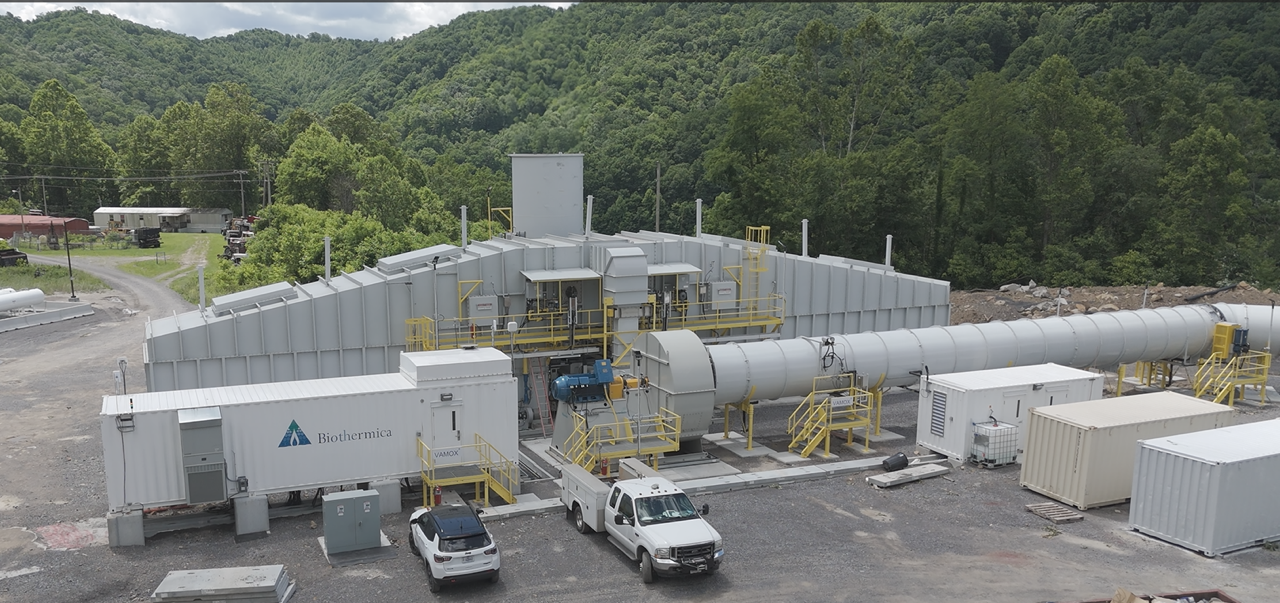
The first half of 2025 marked a quiet revolution in climate policy that many investors overlooked. The UNECE released its Best Practice Guidance on Ventilation Air Methane (VAM) Mitigation, officially confirming what a handful of engineers have known for years: coal mine methane emissions can be cost-effectively destroyed at just $7 per tonne of CO2 equivalent.
Not $200. Not $1,000. Just seven dollars.
Meanwhile, governments continue to pour billions into direct air capture at $600-$1,000 per tonne, while carbon capture and storage commands $200 per tonne. Headlines are dominated by battery breakthroughs, the hydrogen economy, and fusion’s distant promise. A readily available, proven technology sits idle while we fund moonshots that cost 100 times more.
The Technology: Regenerative Thermal Oxidation (RTO)
- Originally developed in the 1970s for industrial air pollution control.
- Successfully deployed for VAM mitigation since 2007.
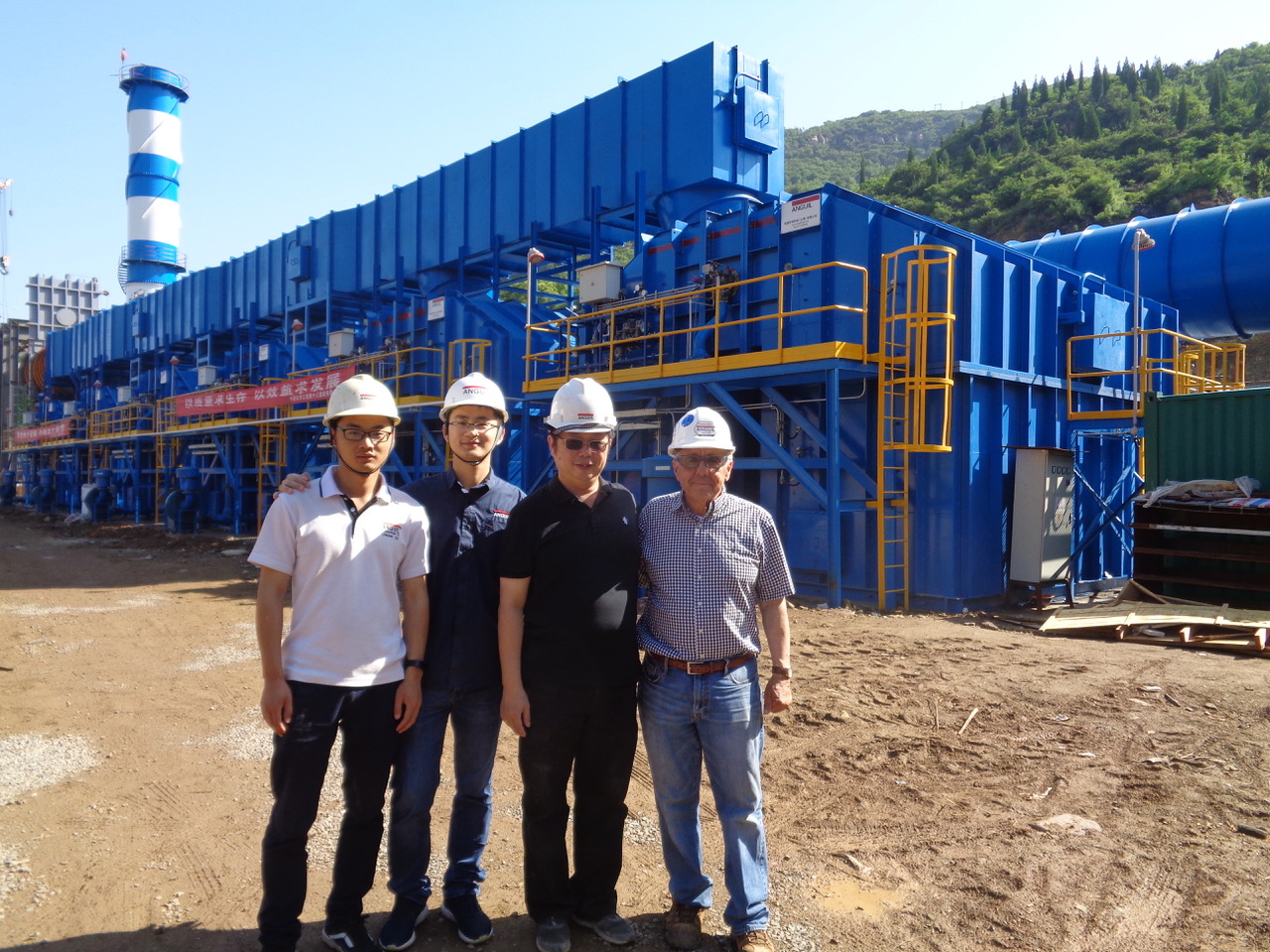
- Currently operating in Australia, China, and the United States.
Richard Mattus, a Swedish industrial emissions expert involved in the 2025 UNECE guidance, confirms: “The engineering challenge has been met. The next hurdle is economic.” In essence: the technology works. What’s missing is the financial architecture to make it truly investable.
The Methane Math Nobody's Doing
KEY NUMBERS:
- Methane potency: 82x more potent than CO2 over 20 years.
- Annual coal mine emissions: 40 million tonnes of methane.
- 20-year impact: 3.2 billion tonnes of CO2e (nearly matching entire EU annual emissions).
- Atmospheric lifetime: 12 years (vs. centuries for CO2).
And yet, we’re largely letting it happen.
Why?
Because methane’s shorter atmospheric lifetime (12 years) often leads to it being discounted in long-term models. However, this very characteristic is precisely why cutting methane delivers immediate climate benefits—impacting temperature within years, not decades.
Dr. Lena Isaksson-Höglund of the International Institute for Applied Systems Analysis states: “Looking at opportunities to reduce global methane emissions by 2030, VAM mitigation ranks among the top four globally.” The top four. For immediate impact. By 2030. Yet, it’s conspicuously absent from nearly every national climate plan.
The Absurd Cost Comparison
Technology | Cost per Tonne CO2e | Multiple vs. VAM |
VAM Mitigation | $7 | 1x (baseline) |
Carbon Capture & Storage | $200 | 29x more expensive |
Direct Air Capture | $600-$1,000 | 86-143x more expensive |
We are consistently choosing the $1,000 solution over the $7 one. Why? Because the $7 solution isn’t “sexy.” It’s not AI-powered; it doesn’t promise unicorn returns or “transformative innovation.” It’s just robust industrial engineering that happens to be the cheapest, fastest, and most scalable climate solution available. And this very practicality often renders it invisible to venture capital, which is typically hunting for the next “climate tech unicorn.” This oversight presents a significant, often ignored, investment opportunity.
The Coal Paradox Investors Ignore
The uncomfortable truth: While thermal coal is a dying industry, coking coal is not.
Coking coal reality:
- Essential for steelmaking.
- Will remain a fixture of global heavy industry for decades.
- Every major steel producer knows this.
- Every climate policymaker knows this.
Yet, methane mitigation for coking coal mines barely registers in climate strategies.
The Climate Paradox: Long-term decarbonisation of heavy industry will still be accompanied by methane leaks unless we act proactively. VAM mitigation offers a critical solution—cutting emissions without prolonging coal mine operations.
Why VAM works for this paradox:
- Systems are modular.
- Relocatable as mines close.
- Proven to work at scale.
- Can be redeployed elsewhere.
What’s Actually Stopping This?
- Not the technology: RTO has been successfully deployed for nearly 20 years.
- Not the engineering: several VAM units have been operation across the globe for over a decade.
- Not the cost: At $7/tonne, it is literally the cheapest climate solution available.
The true barrier is financial architecture and bureaucratic inertia:
- VAM does not fit existing carbon market frameworks.
- It is not part of most Nationally Determined Contributions (NDCs).
- There is no standardised investment taxonomy.
- No clear guidelines define credible methane reduction projects.
- No price floor signals serious intent.
The brutal reality: Investors cannot invest in what isn’t classified as investable. Governments cannot fund what isn’t categorised in climate budgets. Companies will not deploy solutions that do not generate recognised credits. The solution exists. The market structure doesn’t.
The Policy Playbook (If Anyone’s Listening)
Felicia Ruiz, from the Clean Air Task Force, states: “VAM mitigation is implementation-ready. Given the global importance of rapidly cutting methane emissions, reducing ventilation air methane from coal mines stands out as one of the most effective and immediately actionable strategies.”
What needs to happen—not in five years, but now:
Set a methane price floor of $20/tonne CO2e.
- This makes VAM projects financially attractive even without subsidies.
- It remains 10-50x cheaper than every alternative.
- It makes VAM worth investors’ time.
Create standardised investment taxonomies.
- Define what qualifies as credible methane reduction.
- Make it bankable, boring, and investable.
Mandate VAM mitigation in national climate strategies.
- Every country with coal mines should incorporate VAM in their NDCs until mine closure. Period.
- It’s low-hanging fruit we’re allowing to rot.
Build it into climate finance frameworks.
- Development banks: designate methane as a priority category.
- Green bonds: introduce methane-specific instruments.
- Climate funds: dedicate specific methane allocations.
- Methane should be a primary category, not an afterthought.
The Blind Spot Bloomberg Missed
Bloomberg’s 2026 climate trends report recently covered 14 major developments, from EVs and nuclear power to China’s five-year plan and Trump’s energy rollbacks. They missed this.
Most climate tech investors have never even heard of VAM. EU policymakers chase hydrogen and fusion while methane leaks from mines across Poland, Germany, and the Czech Republic continue. This isn’t a technology problem; it’s a recognition problem.
The Emergency Brake We Keep Ignoring
Consider this analogy: we’re trying to fix a sinking ship by inventing a revolutionary new hull design (Direct Air Capture) while neglecting the $7 wooden plugs (VAM) already on deck to stop the primary leak.
Methane reduction is the emergency brake we need while we debate long-term strategy. Cut methane today, and we’ll see temperature impacts within years. Yet, we’re so focused on the distant horizon that we overlook the immediate opportunity right in front of us.
The Bottom Line
We have a technology that:
- Costs just $7 per tonne (compared to $1,000 for alternatives).
- Works today (not slated for 2035).
- Delivers immediate climate impact (within years, not decades).
- Addresses emissions 82x more potent than CO2.
- Can be deployed at scale globally.
- Ranks among the top 4 global opportunities for methane reduction by 2030.
And we’re still not using it.
Someone needs to put a price on methane that accurately reflects its climate impact. Someone needs to make VAM truly investable. Someone needs to inform clean tech VCs that there’s a billion-dollar opportunity in this decidedly un-sexy industrial process. Because right
Join the Conversation
This conversation needs to happen. What are your thoughts?
- For this community: Are you seeing methane mitigation in your industry’s NDC or ESG framework? If not, why is the $7 solution being ignored?
- For investors: At what carbon price does VAM become impossible to ignore in your portfolio?
- For policymakers: What would it take to effectively integrate methane into your national climate strategy?
About Methane Insights
Methane Insights delivers biweekly analysis on the climate solution hiding in plain sight: coal mine methane abatement. For policymakers, investors, and climate professionals seeking effective, accessible solutions.
#Methane #ClimateAction #VAM #CleanTech #EnergyTransition #ClimateFinance #CarbonMarkets #ESG #NetZero #ClimateSolutions #Sustainability #Innovation #PolicyMakers #Investors
For more on VAM mitigation:
UNECE Best Practice Guidance on Ventilation
Air Methane Mitigation –
